
What Is Limestone for the Construction Sector?
Limestone is one of the most important natural stones used in the construction sector. From building facades and flooring to cement production, road base, drainage systems and landscaping, limestone plays a major role in both structural and decorative applications.
For architects, contractors, builders, developers and natural stone importers in the United States, limestone is not only a construction material. It is also a design element that can improve the appearance, durability and long-term value of residential, commercial and infrastructure projects.
At Likya Royal, we supply high-quality Turkish limestone for international projects, including the US market. Our limestone products can be used for wall cladding, flooring, facade applications, pavers, slabs, blocks, architectural elements and custom-cut natural stone projects.

What is Limestone & Is there any advantage to use Limestone for Construction?
Limestone is a popular and widely used rock in the construction sector due to its various beneficial properties. Limestone is primarily composed of calcium carbonate, which makes it a valuable material for many construction applications. Here are some key uses of limestone and importance of limestone for construction:
Building materials: Limestone is used as a building material for constructing walls, facades, and decorative elements. Its natural beauty and durability make it a favored choice for both interior and exterior design in buildings.
Aggregate: Crushed limestone is a crucial component in concrete and asphalt, providing strength and stability to these construction materials. It enhances the overall performance and durability of the structures.
Road base and ballast: Limestone is used as a road base for highways, roads, and other infrastructure projects. It provides a stable foundation and helps in preventing cracking and settling of the road surface. Crushed limestone is also used as ballast in railways to provide support and stability to the tracks.
Cement production: Limestone is a key ingredient in the production of cement. When mixed with clay and other materials, it is heated in a kiln to produce clinker, which is then ground into cement. Cement is a fundamental building material used in various construction applications.
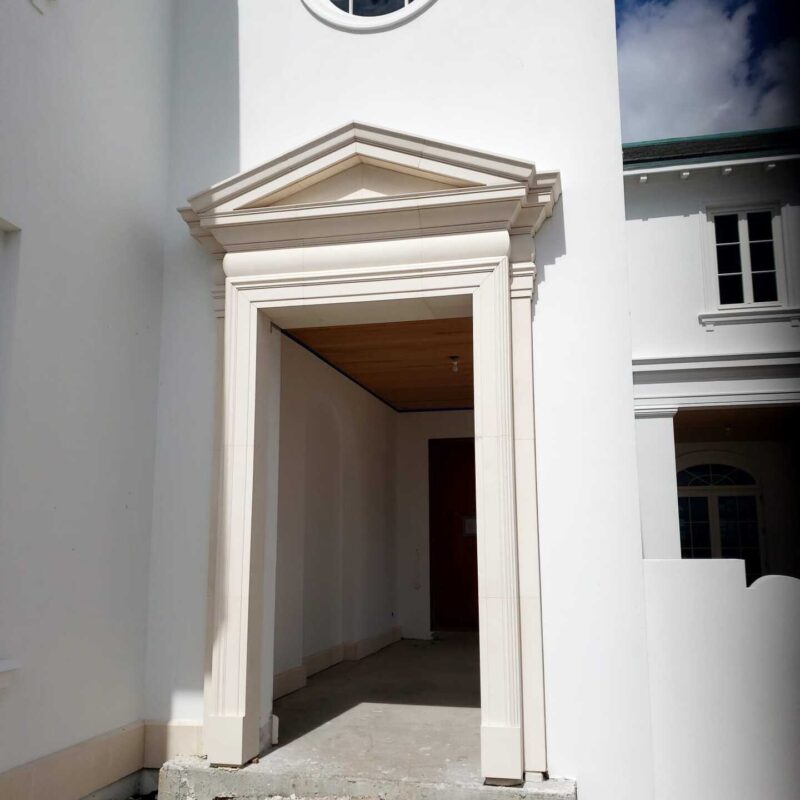
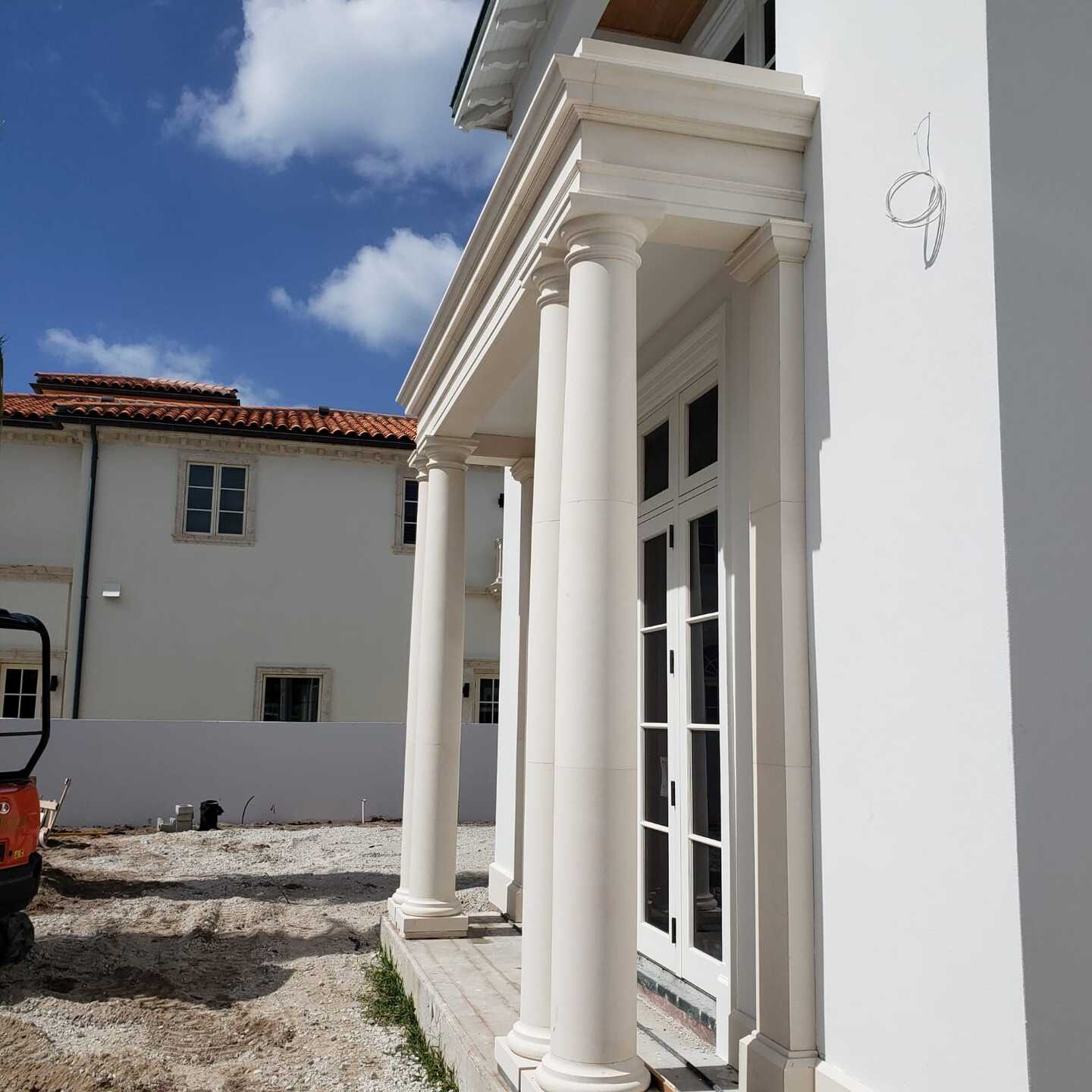
Dimension stone: Limestone can be cut into blocks or slabs and used as dimension stone for various architectural elements like columns, staircases, window sills, and flooring. Its aesthetic appeal and versatility make it a popular choice for decorative purposes.
Retaining walls: Limestone is used in the construction of retaining walls due to its strength and ability to resist erosion. These walls are essential for stabilizing slopes and preventing soil erosion in hilly areas.
Landscaping: Limestone is often used in landscaping projects to create pathways, garden borders, and decorative features. Its natural appearance adds an elegant touch to outdoor spaces.
Aggregate in drainage systems: Crushed limestone is used as a drainage material in construction projects, such as backfilling around pipes and drainage ditches. It helps in managing water runoff and preventing erosion.
The abundance of limestone and its diverse range of applications make it a valuable resource in the construction sector, contributing significantly to the development of various infrastructure projects and architectural designs.
Why Limestone Is Important in the US Construction Market
The United States construction market uses limestone in many different forms. It can be used as a natural stone for visible architectural surfaces, as crushed stone for infrastructure, as a component in concrete and asphalt, and as a raw material in cement production.
For US builders and project owners, limestone is valuable because it combines availability, versatility, durability and natural beauty. It can serve both functional and aesthetic purposes, which makes it suitable for residential homes, commercial buildings, hotels, public spaces, landscape projects and infrastructure works.
In architectural projects, limestone is often preferred because it provides a natural, elegant and timeless appearance. In infrastructure and civil engineering, crushed limestone is valued because it provides strength, stability and drainage performance.
Why US Architects and Builders Search for Limestone in Construction
Many buyers, architects and contractors search for terms such as limestone in construction, limestone uses in construction, limestone for construction, limestone used in construction and what is limestone used for in construction. These searches show that the market is looking for clear and practical information about where limestone can be used and why it is important.
This is why limestone should be explained not only as a natural rock, but also as a construction material with many different applications. Depending on the project, limestone may be used as a structural base material, a decorative stone, a cladding material, a paving product, a concrete aggregate or a raw material for cement.
What Is Limestone Used for in Construction?
Limestone is used in construction because it is strong, workable, widely available and suitable for many applications. It can be cut, crushed, shaped, polished, honed, brushed or sandblasted depending on the final use.
In the construction industry, limestone can be used in two main ways. The first is as a visible natural stone product, such as tiles, slabs, pavers, wall cladding and architectural elements. The second is as an industrial construction material, such as crushed stone, aggregate, road base, cement raw material and drainage stone.
Limestone as a Building Material
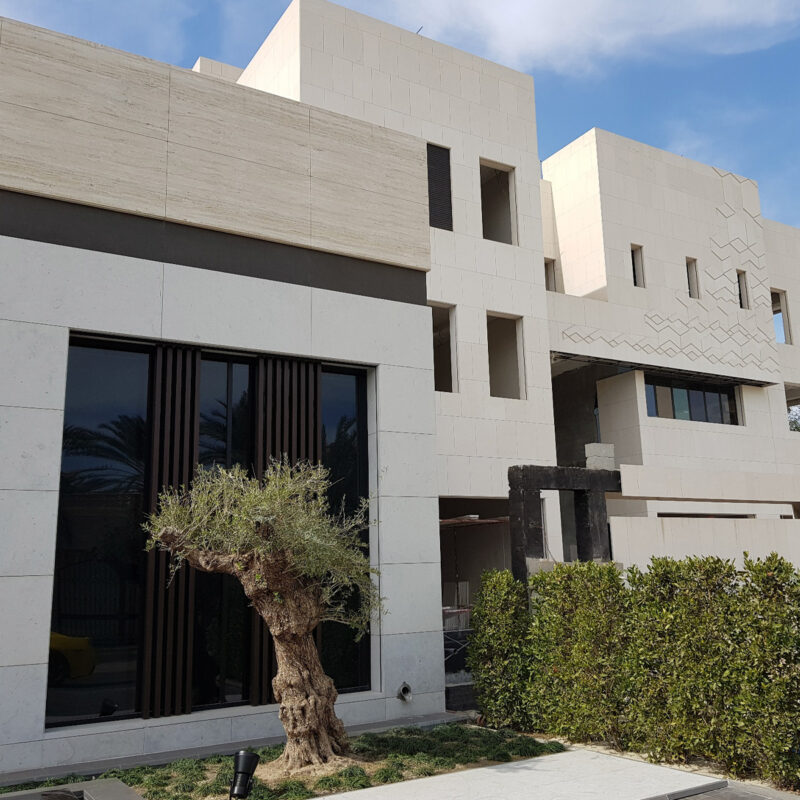
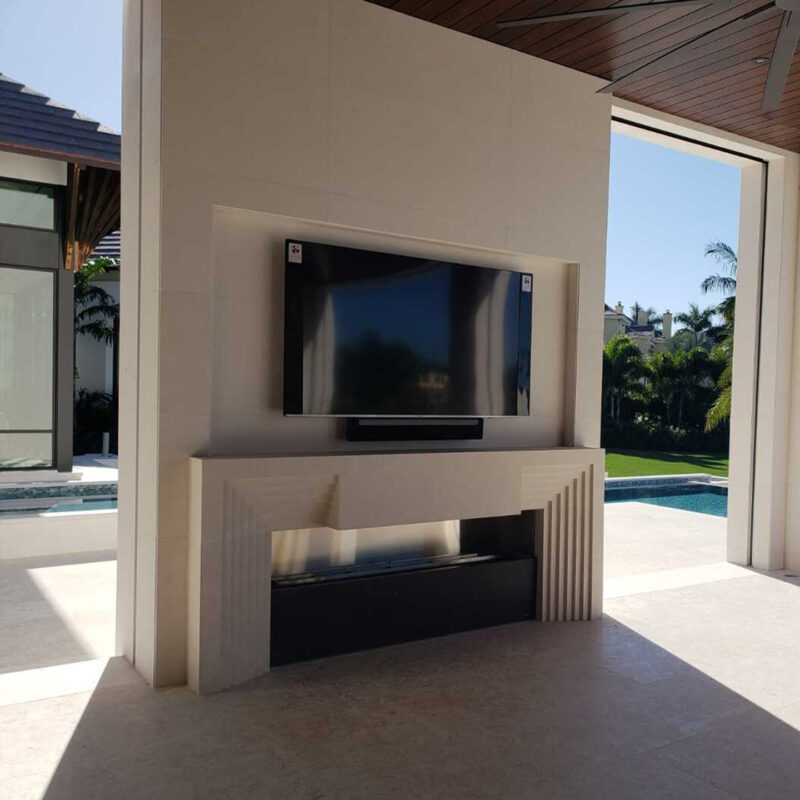
Limestone has been used as a building material for centuries. Its natural strength, soft color tones and elegant surface make it suitable for both modern and classical architecture. In the United States, limestone can be used on exterior facades, interior walls, fireplaces, columns, staircases, window surrounds, flooring and landscape features.
As a building material, limestone creates a warm and natural appearance. Unlike artificial materials, every limestone piece has its own texture, fossil structure and natural character. This makes it attractive for architects who want a real stone appearance in high-end residential and commercial projects.
Limestone for Exterior Wall Cladding
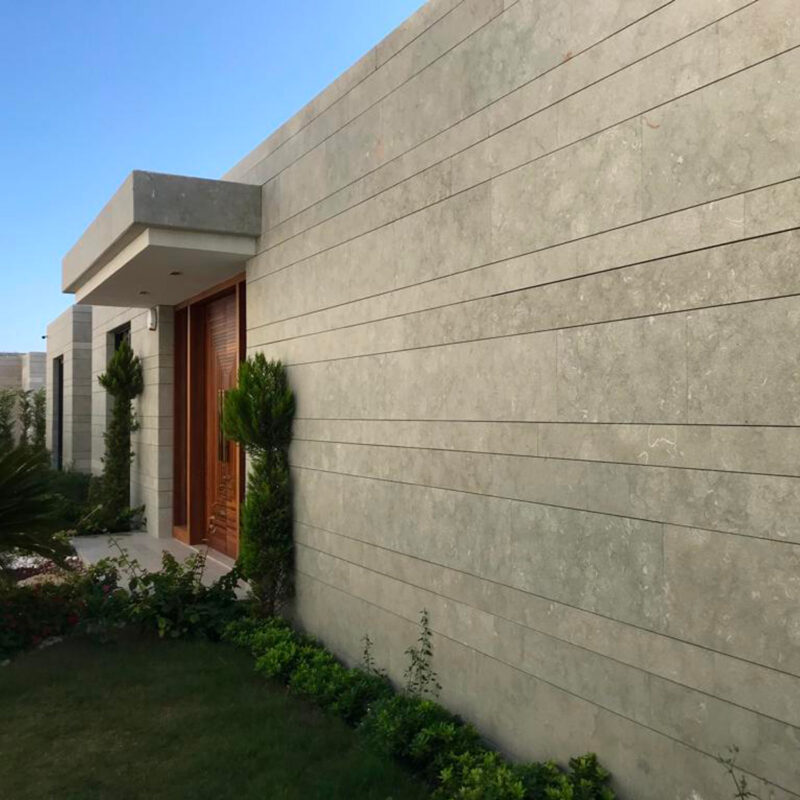
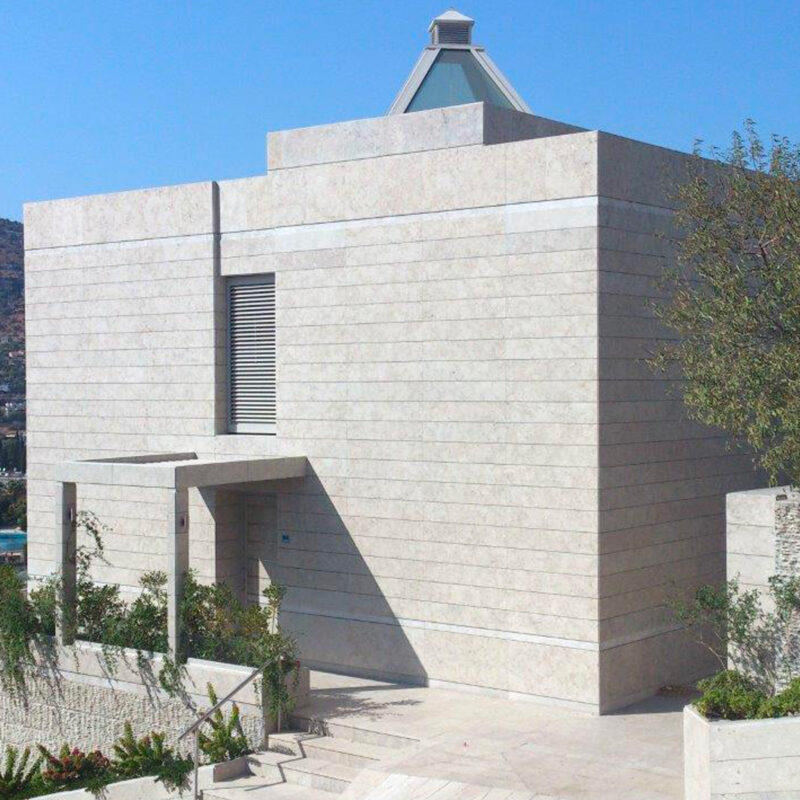
Exterior wall cladding is one of the most important architectural uses of limestone. Limestone cladding gives buildings a natural, clean and premium appearance. Light-colored limestone is especially popular in luxury villas, hotels, commercial buildings and public projects.
For the US market, limestone wall cladding can be used in both warm and moderate climates. In colder regions, the stone type, installation method, water absorption level and freeze-thaw performance should be evaluated carefully before specification.
Turkish limestone, especially white and light beige varieties, can be an attractive option for exterior cladding projects because it provides a refined appearance and strong architectural character.
Limestone for Interior Design
Limestone is also widely used in interior design. It can create soft, natural and elegant spaces in homes, hotels, offices and retail interiors. Interior limestone applications may include wall panels, flooring, bathroom surfaces, fireplace surrounds, staircases, decorative columns and reception areas.
For interior applications, honed limestone is one of the most popular finishes because it provides a smooth, matte and elegant surface. Brushed and tumbled finishes can also be used when a more textured or aged appearance is required.
Limestone for Flooring
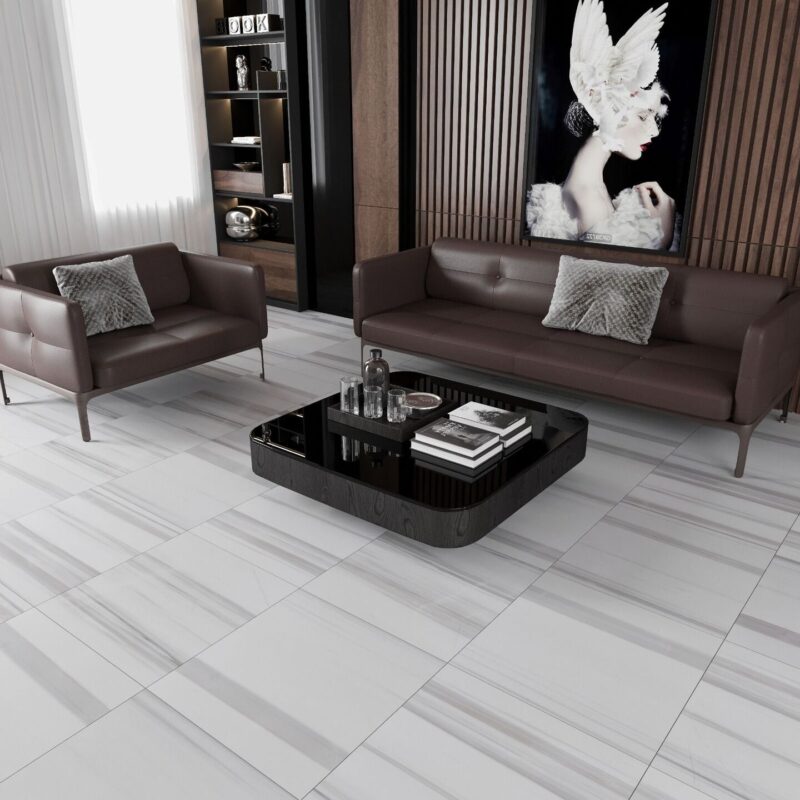
Limestone flooring is used in residential and commercial projects where a natural and timeless floor surface is desired. It can be used in living areas, lobbies, corridors, patios, terraces and selected commercial spaces.
However, not every limestone is suitable for every floor application. For high-traffic flooring, the stone should be selected according to hardness, density, surface finish, thickness and maintenance expectations. For low to medium foot traffic areas, many limestone types can provide an elegant and durable flooring solution.
Limestone for Pavers and Outdoor Areas
Limestone pavers are commonly used in outdoor living areas, patios, garden walkways, pool surrounds, terraces and courtyards. In the United States, outdoor limestone pavers are especially attractive for residential projects, hotels, resorts and landscape design.
For outdoor applications, the finish is very important. Sandblasted, brushed, tumbled or textured limestone surfaces may provide better slip resistance compared with polished surfaces. The right surface finish should always be selected according to the project area and expected use.
Limestone for Concrete and Asphalt Aggregate
Crushed limestone is widely used as aggregate in concrete and asphalt. It improves the structure, strength and stability of these materials. In concrete production, limestone aggregate helps form a strong and durable mix that can be used for foundations, roads, buildings and infrastructure projects.
In asphalt production, limestone aggregate contributes to road durability and load-bearing performance. This makes limestone an important material in highways, streets, parking lots and other transportation-related construction projects.
Limestone for Road Base and Infrastructure
Limestone is commonly used as road base material because it can provide a stable and compact foundation. A good road base helps distribute loads, reduce settlement and support the upper layers of the pavement structure.
In infrastructure projects, limestone may also be used for sub-base layers, embankments, railway ballast and general fill material. Its ability to compact well makes it useful for many civil engineering applications.
Limestone for Drainage Systems
Crushed limestone can be used in drainage systems because it allows water to move through the spaces between the stones. It is often used around pipes, drainage trenches, retaining walls and landscape drainage areas.
In construction projects, proper drainage is essential for protecting foundations, walls, landscapes and paved areas. Limestone aggregate can help manage water movement and reduce erosion risks when used correctly.
Advantages of Limestone in Construction
Limestone has many advantages in the construction sector. It is a natural material, it can be processed in different ways, and it can be used in both visible architectural design and hidden structural layers. This makes it one of the most versatile rocks used in construction.
Natural Beauty
Limestone offers a soft, elegant and natural appearance. Its colors may include white, ivory, beige, cream, gray and fossil-patterned tones. For architectural projects, this natural beauty is one of the main reasons limestone is selected over artificial materials.
Versatility
Limestone can be used in many formats, including blocks, slabs, tiles, pavers, wall cladding, crushed stone and architectural elements. This versatility allows one stone type to serve many construction needs.
Workability
Limestone is easier to cut and shape than many harder stones. This makes it suitable for custom architectural elements such as columns, cornices, window surrounds, staircases and carved decorative details.
Durability
When the correct limestone type is selected for the correct application, it can provide long-lasting performance. For example, dense limestone types can be suitable for cladding, paving, flooring and many exterior applications.
Availability
Limestone deposits are available in many countries, including Turkey. This wide availability makes limestone an important material for construction supply chains. Turkish limestone is especially known for its white and light-colored varieties used in architectural projects.
Design Flexibility
Limestone can be used in modern, classical, Mediterranean, coastal and luxury architectural styles. It works well with glass, metal, wood, concrete and other natural stones.
Is Limestone Good for Building?
Yes, limestone is good for building when the right type of limestone is selected for the right application. It is commonly used for walls, facades, floors, columns, stairs, cladding, pavers and decorative architectural elements.
For visible building applications, the stone’s color, texture, density, water absorption rate, surface finish and thickness should be evaluated before use. A limestone suitable for interior wall cladding may not always be suitable for heavy-traffic flooring or freeze-thaw exterior paving.
For this reason, builders and architects should work with an experienced limestone supplier who can recommend the correct material according to project location, climate, installation area and technical requirements.
Is Limestone Valuable?
Limestone is valuable because it is used in many industries and construction applications. It is important for building materials, cement production, concrete aggregate, road base, landscaping, drainage systems and architectural stone products.
In the architectural stone market, limestone can also be valuable because of its color, consistency, quarry origin, block quality, finish options and suitability for custom projects. White limestone, beige limestone and fossil limestone varieties may have different market values depending on their aesthetic and technical properties.
For US importers, distributors and project owners, limestone from Turkey can be valuable because it offers natural beauty, export availability, multiple product formats and competitive supply options.
Limestone vs Concrete: What Is the Difference?
Limestone and concrete are related, but they are not the same material. Limestone is a natural rock. Concrete is a manufactured construction material made from cement, aggregates, water and other components. Limestone can be used as an aggregate in concrete, and it is also a key raw material in cement production.
In simple terms, limestone can be both a finished natural stone product and a raw material used to create other construction materials. Concrete is usually used for structural purposes, while limestone can be used for both structural support and visible architectural design.
When to Use Limestone Instead of Concrete
Limestone is preferred when the project requires natural beauty, visible stone texture and architectural value. It is commonly used for facades, wall cladding, flooring, paving, stairs, fireplaces and landscape features.
When Concrete May Be Used
Concrete is commonly preferred for foundations, structural frames, slabs, columns, roads and large-scale infrastructure. In many projects, limestone and concrete are used together because limestone can serve as aggregate or decorative stone while concrete provides structural support.
Properties of Limestone in Construction
The performance of limestone depends on its physical and chemical properties. Before using limestone in a construction project, especially in the United States, buyers should understand the main properties that affect durability and suitability.
Calcium Carbonate Content
Limestone is mainly composed of calcium carbonate. This composition is one of the reasons it is used in cement production, construction materials and industrial applications.
Density
Density affects the strength and performance of limestone. Denser limestone types are generally more suitable for demanding applications such as flooring, cladding and exterior use.
Water Absorption
Water absorption is an important factor for exterior applications. In areas with rain, snow or freeze-thaw cycles, low water absorption and proper installation are especially important.
Compressive Strength
Compressive strength is important when limestone is used in load-bearing or high-pressure applications. This property should be evaluated for heavy-use construction areas.
Surface Finish
The surface finish affects both appearance and function. Honed limestone creates a smooth matte surface. Sandblasted or brushed limestone can provide more texture for outdoor and wet areas. Polished limestone creates a more reflective appearance, but it may not be suitable for all exterior or wet applications.
Turkish Limestone for the US Construction Sector
Turkish limestone is increasingly recognized in international architectural projects because of its light colors, natural texture and strong supply potential. Turkey has important limestone deposits, especially in the southwest region, where white, ivory and beige limestone varieties are quarried.
For the US construction sector, Turkish limestone can be supplied as blocks, slabs, tiles, pavers, wall cladding, pool coping and custom architectural elements. This makes it suitable for architects, builders, stone importers, distributors and project owners looking for natural limestone from Turkey.
You can explore our full limestone product range to review different Turkish limestone options for architectural and construction projects.
Why Turkish Limestone Can Be a Good Choice for US Projects
Turkish limestone can be a good choice for US projects because it offers elegant light color tones, natural surface character, multiple finish options and custom production possibilities. It can be used in residential, commercial, hospitality and landscape projects.
For projects that require white limestone, ivory limestone or light beige natural stone, Turkish limestone may provide an attractive alternative to other limestone sources.
Applications of Turkish Limestone in the United States
Turkish limestone can be considered for luxury homes, villas, hotels, resorts, commercial facades, shopping centers, office buildings, pool areas, patios, garden paths and public spaces.
It is especially suitable for projects where architects want a clean, bright and elegant stone appearance. In warm-climate US states such as Florida, California, Texas and Arizona, light-colored limestone can be attractive for outdoor living areas, facades and pool surroundings.
Limestone Building Materials for Architects and Contractors
Limestone building materials can be produced in many different formats. Architects and contractors should define the application before requesting a quotation because size, thickness, finish and quality requirements change according to the project.
Limestone Blocks
Limestone blocks are large quarry blocks used for further processing. They can be cut into slabs, tiles, panels or custom architectural pieces.
Limestone Slabs
Limestone slabs are used for large-format surfaces, cut-to-size panels, stairs, wall applications, fireplaces, countertops in selected areas and architectural details.
Limestone Tiles
Limestone tiles are commonly used for floors and walls. They may be produced in different sizes and finishes for interior or exterior use.
Limestone Pavers
Limestone pavers are thicker pieces used in outdoor applications such as patios, walkways, pool decks and terraces.
Limestone Wall Cladding
Limestone wall cladding is used to cover interior or exterior walls with natural stone. It provides a premium architectural appearance and can be produced in different thicknesses and finishes.
Architectural Limestone Elements
Limestone can also be shaped into columns, balustrades, window surrounds, door frames, cornices, moldings, fireplaces and other custom architectural elements.
For custom architectural stone projects, you can also visit our architectural limestone elements page.
How to Choose Limestone for a Construction Project
Choosing limestone for a construction project should be based on both design expectations and technical requirements. A stone that looks beautiful in a photo may not be suitable for every use. The project location, climate, traffic level, installation area and maintenance expectations should all be considered.
Define the Application First
The first step is to define where the limestone will be used. Exterior cladding, interior wall panels, flooring, pool coping, pavers, stairs and drainage aggregate all require different specifications.
Check the Technical Properties
Important technical properties include density, water absorption, compressive strength, abrasion resistance and surface behavior. These properties help determine whether the limestone is suitable for the intended use.
Select the Right Finish
The finish affects both design and safety. Honed limestone may be ideal for interior walls and floors. Sandblasted or brushed limestone may be better for exterior and wet areas. Tumbled limestone may be preferred for rustic or aged designs.
Consider Climate Conditions
For US projects in cold regions, freeze-thaw conditions should be considered. For warm coastal regions, salt exposure, moisture and maintenance requirements should be evaluated.
Work With an Experienced Supplier
A reliable supplier can help with stone selection, production planning, inspection, packing and export. This is especially important for international shipments to the United States.
Why Work With Likya Royal?
Likya Royal supplies Turkish limestone and natural stone products for international architectural and construction projects. Our team supports buyers with product selection, project-based sizing, surface finish options, quality control and export preparation.
For US buyers, we can help evaluate the correct limestone product according to application, size, finish, quantity and project expectations. Whether you need limestone slabs, tiles, pavers, wall cladding or architectural elements, Likya Royal can support your sourcing process from Turkey.
Project Support for US Buyers
We can support architects, contractors, developers, stone importers and distributors with Turkish limestone options for residential, commercial and landscape projects. Our goal is to provide the right limestone product for the right construction application.
Request Limestone Prices
To receive a limestone quotation, please share the product type, size, thickness, surface finish, quantity, destination port and project application. This information allows us to prepare a more accurate and project-specific offer.
Contact Likya Royal today to discuss your limestone construction project and request current availability, product options and export details.
Frequently Asked Questions About Limestone in Construction
What is limestone used for in construction?
Limestone is used in construction as a building material, aggregate, road base, cement raw material, drainage stone, wall cladding, flooring, pavers, slabs and architectural elements. It can serve both structural and decorative purposes.
Is limestone good for building?
Yes, limestone is good for building when the correct type is selected for the application. It is commonly used for walls, facades, floors, stairs, columns, cladding and decorative elements.
Why is limestone used in concrete?
Limestone is used in concrete mainly as aggregate and also as a raw material in cement production. Crushed limestone helps improve the strength and stability of concrete mixes.
Is limestone used in cement?
Yes, limestone is one of the key raw materials used in cement production. It is processed with clay and other materials to produce clinker, which is then ground into cement.
What are the advantages of limestone in construction?
The main advantages of limestone in construction include natural beauty, versatility, workability, durability, availability and suitability for many applications such as cladding, flooring, pavers, aggregate and cement production.
Is limestone valuable?
Yes, limestone is valuable because it is widely used in construction, cement production, concrete, road base, landscaping, drainage systems and architectural stone products. Its value depends on quality, color, physical properties, quarry origin and intended use.
What building materials are made from limestone?
Building materials made from limestone include limestone blocks, slabs, tiles, pavers, wall cladding, crushed stone aggregate, cement raw material, architectural elements and decorative stone products.
Can limestone be used for exterior walls?
Yes, limestone can be used for exterior walls and facade cladding. The correct stone type, thickness, fixing method, finish and climate suitability should be evaluated before installation.
Can limestone be used for flooring?
Yes, limestone can be used for flooring in residential and commercial projects. For flooring applications, density, hardness, surface finish and expected foot traffic should be considered.
Can limestone be used around pools?
Limestone can be used around pools when the correct finish and material are selected. Textured finishes such as brushed, sandblasted or tumbled surfaces are usually preferred for outdoor wet areas.
What is the difference between limestone and concrete?
Limestone is a natural rock, while concrete is a manufactured construction material made from cement, aggregate, water and other components. Limestone can be used as aggregate in concrete and as a raw material in cement production.
Is Turkish limestone suitable for US construction projects?
Yes, Turkish limestone can be suitable for US construction projects when selected according to the application and technical requirements. It is commonly used for wall cladding, flooring, pavers, slabs, architectural elements and landscape projects.
How can I get limestone prices for a US project?
To get limestone prices for a US project, you should provide the product type, size, thickness, finish, quantity, destination port and intended application. Likya Royal can prepare a project-based quotation according to your requirements.
Our lastest blog :